
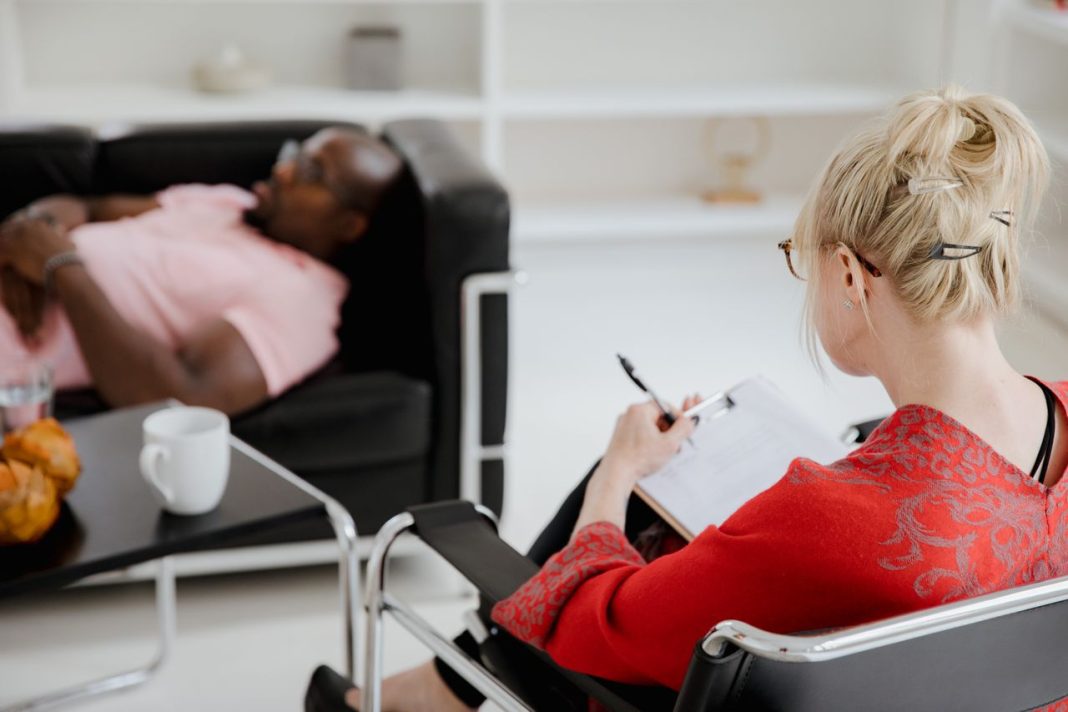

The way people access therapy has changed considerably in recent years. While many therapists have traditionally worked face to face, online sessions through platforms such as Zoom have become an increasingly popular option.
Therapists offer support for a wide range of issues, from anxiety, stress and depression to relationship difficulties, bereavement and personal development. With demand for mental health support remaining high, the choice between online and in-person sessions is becoming an important consideration for both therapists and their clients.
The Rise of Online Therapy
There are clear advantages to offering therapy over Zoom. For therapists, online sessions can provide greater flexibility and a faster turnaround between appointments.

Without the need for a dedicated therapy room, therapists can also reduce overheads such as rent, utilities and travel costs. This can make it easier to offer more appointments throughout the week and potentially reach clients who live further away.
The demand for talking therapies is significant. In England, NHS Talking Therapies recorded 1.81 million referrals during 2024-25, with an average of 8.4 treatment sessions per referral. The same year saw 500,034 Internet Enabled Therapy sessions recorded.
For clients, Zoom can also remove some of the barriers associated with attending an appointment. There is no journey to make, no waiting room and less disruption to a working day.
Flexibility for Therapists and Clients
Online therapy can be particularly useful for people with busy schedules, caring responsibilities or mobility difficulties.
A client can attend a session from home, perhaps during a lunch break or before returning to other responsibilities. For therapists, this flexibility can mean fitting more appointments into a working day.
Some therapists may also record sessions, where appropriate and with informed consent, providing a useful record for clients or professional purposes. However, recording therapy sessions involves important privacy, consent and data protection considerations and should never be assumed to be appropriate.
The Value of Being in the Room
Despite the convenience of Zoom, there is something different about being in the same room as another person.
“Therapy often involves discussing deeply personal experiences, emotions and vulnerabilities,” explains Talking Health, a company that rents rooms for therapists in London. “For some clients, sitting face to face with a therapist in a private, comfortable environment can create a stronger sense of safety and connection.”
“Being physically present can also allow a therapist to notice subtle changes in body language, posture and facial expressions. These details can form part of the wider conversation and may help the therapist understand how a client is feeling.”
“For someone who finds it difficult to open up, that personal connection can be particularly valuable.”
Building a Stronger Relationship
The relationship between therapist and client is an important part of the therapeutic process. Trust takes time to develop, and some clients may find that meeting in person helps them establish that connection more naturally.
Being physically present can make sessions feel more focused. There are fewer potential distractions from household noise, internet problems, notifications or other interruptions.
For some people, simply leaving the house and entering a dedicated therapy space can also create a clear boundary between everyday life and time spent reflecting on their mental health.
There Is No One-Size-Fits-All Approach
Ultimately, therapists do not necessarily have to choose between online and face-to-face work. Offering both can provide clients with greater choice.
NHS Talking Therapies data shows that 50.5% of referrals completed a course of treatment in 2024-25, while 91.6% accessed services within six weeks.
These figures highlight the importance of making therapy accessible and available when people need it.
For some clients, Zoom will be the most practical option. For others, particularly those who are vulnerable or struggling to open up, the personal nature of face-to-face therapy may make a meaningful difference.
The future of therapy is therefore unlikely to be purely online or purely in person. Instead, a flexible combination of both approaches may give therapists the opportunity to provide accessible support while preserving the personal connection that makes therapy so valuable.