
Opening a high street fashion store is an exciting project, but it requires careful planning from the very beginning.
One of the first steps is creating a clear business plan that explains your target customers, your pricing and the type of clothes you want to sell. You will also need to think about your financial needs, including the cost of renting a shop, buying stock, hiring staff and covering early marketing.
Many new retailers underestimate how much money they need, and research shows that around 60 percent of small businesses struggle with cash flow during their first two years. Understanding your costs in advance helps you avoid delays and keeps the project moving.

Another important point is to check the legal requirements. You will need to register your business, set up the correct insurance, and understand any local rules about trading on the high street.
Business rates can be a major expense, and in some areas they can account for up to 30 percent of a store’s fixed costs. Knowing these numbers early helps you choose the right location and avoid unexpected bills once you open.
Things you will need to check when opening a fashion store
- Shop lease and business rates
- Business insurance
- Legal requirements
How long does it take to launch a high street fashion store?
The timeline for opening a high street store depends on how quickly you can secure a location but could take up to 12 months from start to finish.
Finding the right site can take several months, because you need to look at foot traffic, the surrounding shops and the size of the unit. Once you find a space, you must negotiate the lease, plan the layout and complete any renovations. This part often takes between eight and twelve weeks, depending on the condition of the unit and the type of design you want.
At the same time, you will need to organise your stock, set up systems for sales and inventory, and start hiring employees. If you plan everything well, the total time from idea to opening day is usually around six to nine months. Rushing the process can lead to mistakes, especially with financial planning or store design, so it is better to take the time to build a strong foundation.
Where do you source clothing for your store?
Fashion retailers have many options when it comes to sourcing clothing. Some choose to work with wholesalers who offer ready-made collections that can be ordered in bulk.
This is the quickest way to fill a shop with stock, and it allows you to change styles regularly. Other retailers work with independent designers or small manufacturers to create more unique pieces that help the store stand out.
If you want full control, you can design your own styles and work with factories to produce them, but this requires more investment, longer lead times and closer quality checks.
Many store owners mix these approaches by buying some wholesale items and adding unique designs to create variety. Whichever option you choose, it is important to build reliable relationships so you can maintain consistent supply throughout the year.
How can online tools support your store and increase sales?
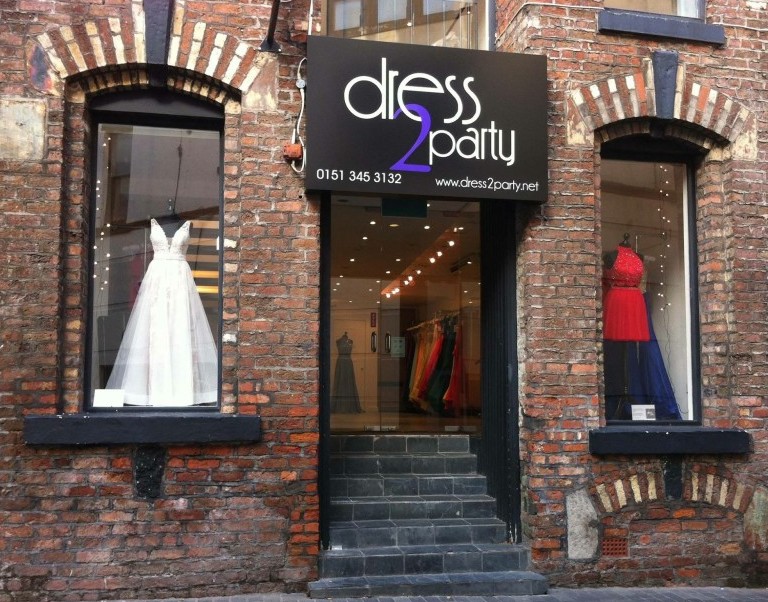
Even if your main goal is to run a physical shop, an online presence is essential, as demonstrated by brand, Dress2Party, which has 4 stores across the UK and a strong online presence too.
A simple website or online store allows you to show your products, attract customers and offer extra stock that may not fit in your high street unit. This could be built using Shopify, or Wix, Squarespace or WordPress for a cheaper option.
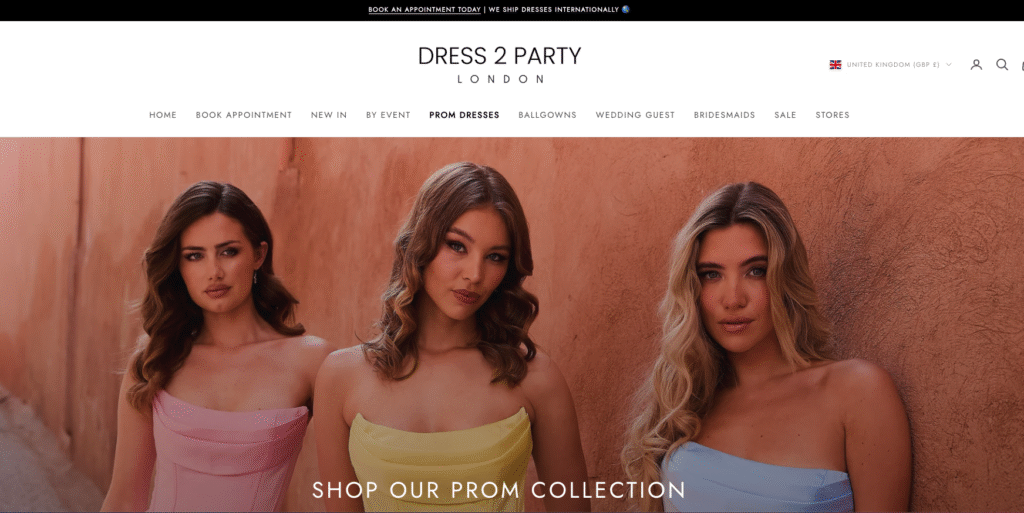
Studies show that more than 70 percent of shoppers look at brands online before visiting a store, which means your digital presence directly affects footfall.
Online marketing also helps you promote new collections, run seasonal discounts and create excitement before items reach the shelves.
Social media can drive traffic to your physical store by showing styling ideas, behind-the-scenes content and announcements about in-store events. You can also cross-sell online by suggesting outfits, linking matching accessories and offering click-and-collect services that bring customers directly into your shop.
By blending a high street location with smart online tools, you build a stronger brand, attract more customers and create multiple ways to grow your business.