
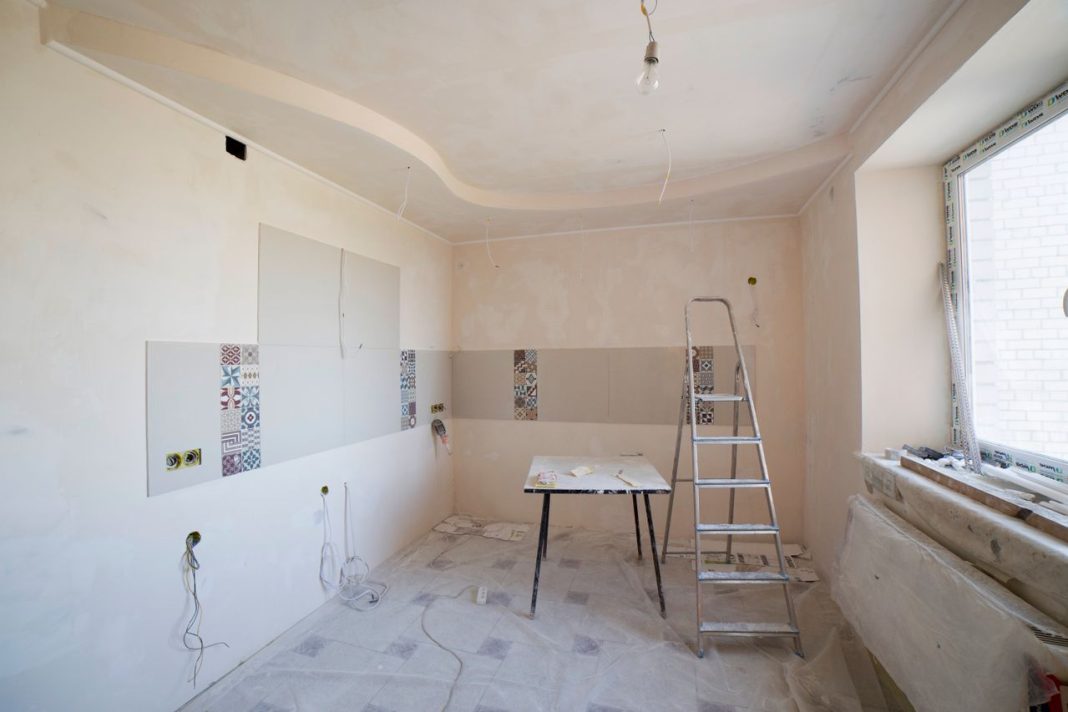

Setting up as a house builder in the UK can be a profitable business, but it requires careful planning, finance and knowledge of construction and property law.
Whether you want to build one home at a time or develop several properties, you will need to find suitable land, understand planning rules, organise finance and work with reliable professionals and tradespeople.
The UK continues to need new homes, with 204,470 Energy Performance Certificates lodged for new dwellings in the year ending March 2026.

What is involved with being a house builder?
Being a house builder involves much more than simply constructing a property. You are responsible for finding development opportunities, checking whether land can be built on and working out whether a project is financially viable.
You will usually need to work with architects, planning consultants, surveyors, structural engineers, builders and other trades. You may also need solicitors and accountants to help with contracts, land purchases, tax and your business structure.
A successful house builder needs to manage budgets and timelines closely. Delays, unexpected construction costs and planning problems can quickly reduce your profit.
How do you find land to build on?
Finding the right land is one of the most important parts of becoming a house builder. You might look for empty plots, former commercial sites, large gardens or properties that could be demolished and replaced.
Before purchasing land, investigate whether development is likely to receive planning permission. Look at the local council’s planning policies and nearby developments.
It is also important to check access, drainage, utilities, ground conditions and any restrictions affecting the site. Getting professional advice before committing to a purchase can prevent expensive mistakes.
Do you need planning permission to build a house?
Yes, building a new house will normally require planning permission. The Planning Portal states that full planning permission is commonly required for new buildings and developments that are not covered by permitted development rights.
A planning application normally includes plans, supporting documents and the correct fee. Most planning applications are decided within eight weeks, although larger or more complex applications can take up to 13 weeks.
Planning permission and building regulations approval are separate. A new home will generally need to comply with building regulations as well as receiving planning approval.
How much money do you need to start a house building business?
There is no single amount needed to become a house builder. Your starting budget will depend on whether you are building a single property, buying land for several homes or taking on a larger development.
You will need to consider the cost of land, professional fees, planning, surveys, construction, insurance, finance and marketing. It is also sensible to have contingency funds available for unexpected costs.
Many developers use development finance rather than funding an entire project themselves. The amount you can borrow will depend on the project, your experience, finances and the lender’s assessment.
Do you need experience to become a house builder?
You do not necessarily need to be a qualified builder yourself. However, construction and property development experience can be extremely valuable.
If you are new to the industry, surrounding yourself with experienced professionals is important. A good architect, project manager and building contractor can help you understand the technical side of a development.
You should also understand the basics of planning, construction costs, property values and project management before investing significant amounts of money.
How do you find clients as a house builder?
Finding clients will depend on whether you build homes for individual buyers or develop properties to sell on the open market. Building a strong local reputation is important and there are companies like VZ Builders who focus on local areas around Hertfordshire. Hence, professional photos, a simple website and positive customer reviews can help attract new enquiries.
You can also advertise through property websites, social media and local estate agents. Networking with architects, property professionals and other businesses can lead to referrals and new opportunities.
As your portfolio grows, previous projects can become an important source of new clients, particularly if you can demonstrate quality workmanship, reliable communication and completed projects on time and within budget.
Is house building profitable in the UK?
House building can be profitable, but there are no guaranteed returns. Your profit depends on the difference between the total development cost and the final sale value of the completed property.
The market can also change during a project. In England, 208,000 homes were granted planning permission in the year to September 2025, which was 15% lower than the previous year. This highlights why developers need to research demand and local property prices carefully.
What are the main steps to becoming a house builder?
Start by deciding what type of development you want to undertake and create a realistic business plan. You can then establish your business structure, arrange finance and begin looking for suitable land.
Once you find a potential site, carry out thorough checks before buying it. Assess planning prospects, construction costs and the likely value of the finished homes.
After securing the site, you can work through planning, design and building regulations before appointing contractors and starting construction.
The key is to treat every development as a business project. Careful research, accurate budgeting and professional advice can help reduce risk and give your house building business the best chance of success.