
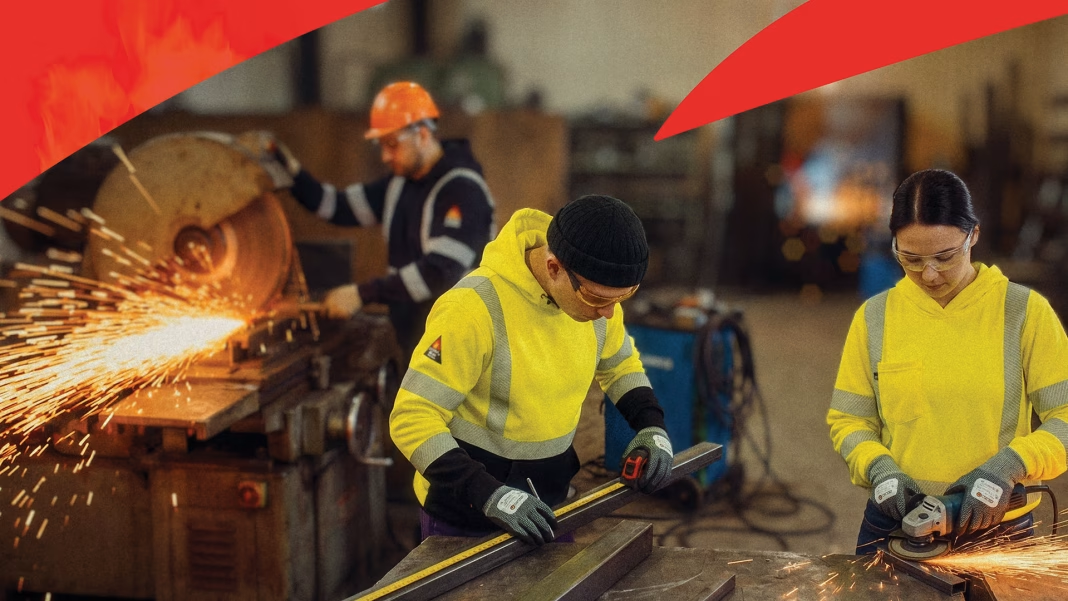

Fire safety workwear is designed to help protect workers from heat, flames, and other hazards that could cause serious injuries. In many industries, the right clothing is just as important as the tools being used. Choosing suitable fire-resistant workwear can reduce the risk of burns and give workers valuable extra protection if an accident happens.
According to the Health and Safety Executive (HSE), there were 138 workplace fatalities in Great Britain during 2024/25. While not all were linked to fire, it highlights the importance of following safety procedures and wearing the correct personal protective equipment (PPE). The National Fire Chiefs Council also reports that thousands of fires occur in workplaces across the UK each year, showing why fire safety should never be overlooked.
Why fire-resistant workwear matters
Fire-resistant workwear is made from specialist materials that are designed to resist ignition and reduce the spread of flames. Unlike ordinary clothing, these garments can help limit burn injuries by protecting the skin from heat for longer.

Many items are tested to meet recognised safety standards such as NFPA, ASTM and ANSI, giving employers confidence that their workers have suitable protection. However, even the best workwear should always be used alongside proper training and safe working practices.
Construction workers
Construction sites often involve welding, cutting, grinding, and other activities that create sparks or high temperatures. Workers may also come into contact with electrical equipment or flammable materials.
Fire-resistant jackets, trousers, coveralls, and high-visibility clothing are commonly worn on construction sites (Source: Fireball Workwear). Durable fabrics that provide both flame resistance and comfort are often the best choice for people working outdoors or carrying out physically demanding jobs.
Welders and metal workers
Welders face one of the highest risks of burns from sparks, molten metal, and intense heat. Their workwear needs to provide reliable protection without restricting movement.
Flame-resistant coveralls, leather welding aprons, heat-resistant gloves, and protective footwear are all important. Clothing should fit properly to reduce the chance of sparks becoming trapped inside loose fabric.
Electricians
Electricians can be exposed to arc flashes, which release extremely high levels of heat in a fraction of a second. For this reason, many electricians wear arc-rated clothing that has been specifically tested for electrical hazards.
Long-sleeved flame-resistant shirts, trousers, insulated gloves, and suitable safety boots can all help reduce the risk of injury. Wearing the correct PPE is especially important when working on live electrical systems.
Oil, gas and chemical workers
People working in the oil, gas, and chemical industries may be exposed to flammable liquids, gases, and hazardous chemicals. Fire-resistant clothing is often a mandatory part of their safety equipment.
Coveralls made from specialist flame-resistant fabrics are widely used because they provide full-body protection while remaining comfortable enough for long shifts. Many garments also include anti-static properties to reduce the risk of sparks.
Firefighters and emergency services
Firefighters require some of the highest levels of protection available. Their protective clothing is designed to withstand extreme heat while allowing them to move quickly during emergencies.
Firefighter clothing usually includes thermal layers, helmets, gloves, boots, and breathing equipment. Every item is carefully designed to protect against flames, heat, smoke, and falling debris.
Manufacturing and engineering
Many manufacturing and engineering roles involve machinery, hot surfaces, or processes that generate sparks. Workers may also carry out maintenance tasks involving welding or cutting equipment.
Flame-resistant trousers, jackets, and coveralls help reduce the risk of injuries while still allowing workers to carry out their jobs comfortably. Choosing clothing that is both durable and breathable can improve comfort throughout the working day.
Choosing the right fire safety workwear
The best fire safety workwear depends on the job being carried out and the hazards involved. Employers should complete suitable risk assessments before selecting protective clothing, ensuring it meets the relevant safety standards for the working environment.
Comfort is also important. If workwear fits well and allows easy movement, workers are more likely to wear it correctly throughout their shift. Regular inspections and replacing damaged clothing are equally important, as worn or torn garments may no longer provide the level of protection they were designed to offer.
Final thoughts
Fire safety workwear plays a vital role in protecting people who work in high-risk environments. Whether someone is working in construction, welding, electrical installation, manufacturing, or the oil and gas industry, wearing suitable flame-resistant clothing can significantly reduce the risk of serious injuries.
Choosing high-quality workwear, following workplace safety procedures, and providing regular training all help create a safer working environment. While no clothing can remove every risk, the right fire safety workwear can make a real difference when accidents happen.