
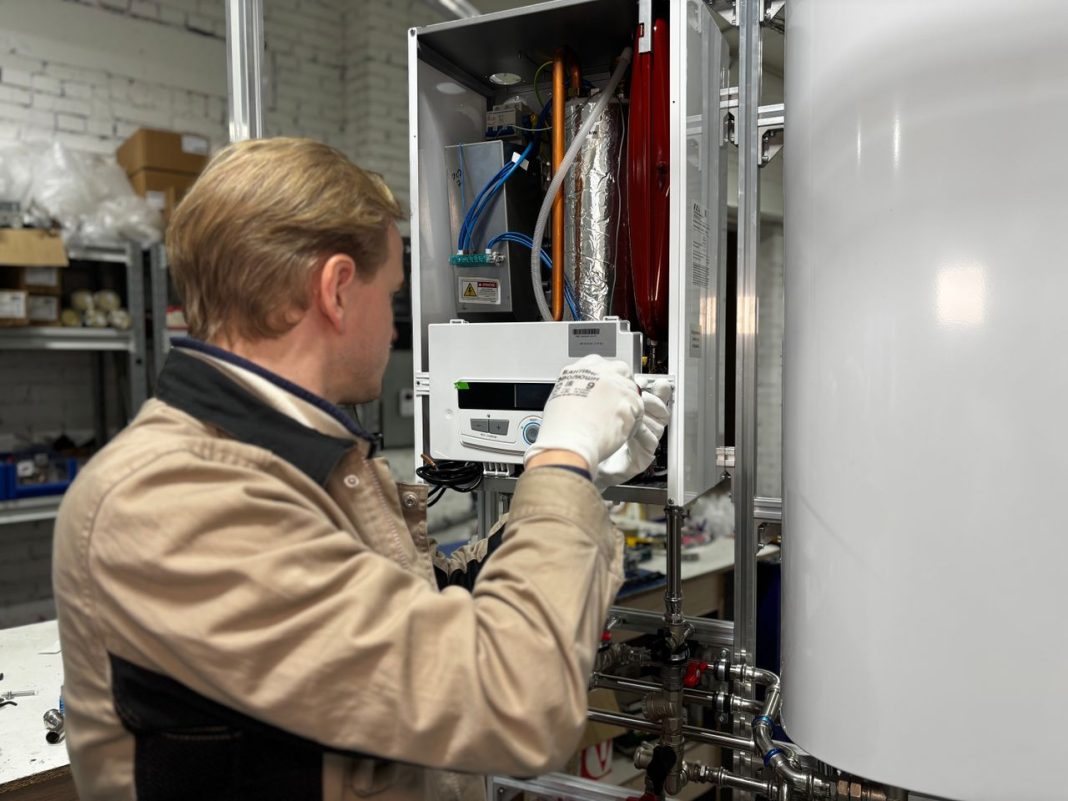

Becoming an HVAC contractor in the UK can be a rewarding career for people who enjoy hands-on technical work and problem-solving. HVAC stands for heating, ventilation, and air conditioning, and contractors in this field install, maintain, and repair systems in homes and commercial buildings.
Demand for skilled tradespeople in this sector continues to grow as buildings become more energy efficient and reliant on modern climate control systems.
What Qualifications Do You Need?
To become an HVAC contractor in the UK, most people start with an apprenticeship or college qualification in plumbing, heating engineering, or refrigeration and air conditioning. Common routes include Level 2 and Level 3 Diplomas in Heating and Ventilation or Refrigeration and Air Conditioning.

Many employers also expect Gas Safe registration if you are working on gas appliances. According to the Gas Safe Register, there are over 60,000 registered engineers in the UK, but demand for qualified professionals continues to outstrip supply in many regions.
Additional training in electrical systems, F-Gas certification, and manufacturer-specific qualifications can also improve job prospects and earning potential.
Working Independently vs Employed Roles
Once qualified, HVAC contractors generally choose between working independently or seeking employment with larger companies.
Working independently allows more freedom and potentially higher earnings. Self-employed contractors like MD Gas Leeds can set their own rates, choose their clients, and build a local reputation. However, it also comes with challenges such as finding regular work, managing business costs, and handling administrative tasks.
On the other hand, working for established companies such as British Gas or other national service providers offers greater stability. These organisations often provide structured training, a steady flow of work, and benefits such as pensions and paid leave. However, the trade-off is less flexibility and fixed salary structures.
Working for Large Service Providers
Companies like British Gas and similar national service organisations often recruit qualified engineers to handle installation, servicing, and emergency repairs. These roles can offer consistent workloads and the security of a well-known employer.
While “Corgi” is still widely recognised as a trusted name in heating, it is now primarily a certification brand rather than a direct employer. Many engineers still associate the name with credibility in the gas industry.
The advantage of working for large providers is predictable income and less time spent on marketing or finding clients. However, engineers may have less control over their schedule and may be required to travel or handle high volumes of jobs per day.
Demand for HVAC Professionals
The demand for HVAC contractors is increasing. The UK government has set a target to reach net zero carbon emissions by 2050, and according to industry reports, heating and cooling systems account for a significant portion of building energy use. This is driving demand for more efficient systems such as heat pumps and modern ventilation systems.
As a result, skilled HVAC professionals are becoming more valuable, especially those with training in renewable heating technologies.
Pros and Cons of Each Path
Independent contractors benefit from flexibility and higher earning potential, but must manage inconsistent workloads and business responsibilities. Employed engineers gain stability and structured career progression, but often sacrifice independence and income flexibility.
Many professionals start in employment to gain experience before moving into self-employment once they have built confidence and a client base.
Conclusion
Becoming an HVAC contractor in the UK requires training, certification, and practical experience, but it offers strong long-term career prospects. Whether choosing self-employment or working for large service providers, both paths offer opportunities depending on lifestyle preferences and financial goals. With increasing demand across the UK, HVAC remains a stable and growing trade career.