
Launching a new property development in the UK is only half the challenge; the other half is successfully marketing it to the right buyers or tenants. A strong marketing strategy ensures visibility, builds trust, and ultimately drives enquiries and sales.
The UK property market is highly competitive. According to HM Land Registry, there are over 28 million residential properties in England and Wales alone, creating a crowded marketplace for new developments. In addition, Rightmove data shows that properties in well-marketed developments can receive significantly more enquiries within the first week of listing compared to poorly marketed ones, sometimes by as much as 50% or more depending on location and demand.
Understanding Your Target Audience
The first step in any marketing strategy is understanding who your development is for. Different developments attract different types of buyers or tenants, and your messaging should reflect that.

For example, city-centre apartments may appeal to young professionals looking for convenience and transport links, while suburban housing developments may attract families seeking more space and good schools. Luxury developments, on the other hand, often target high-income buyers looking for premium finishes and lifestyle features.
Understanding your audience allows you to tailor everything from pricing strategy to advertising channels and visual branding.
Building a Strong Brand Identity
Branding plays a crucial role in how a development is perceived. A strong brand helps your project stand out in a competitive market and creates a sense of trust and quality.
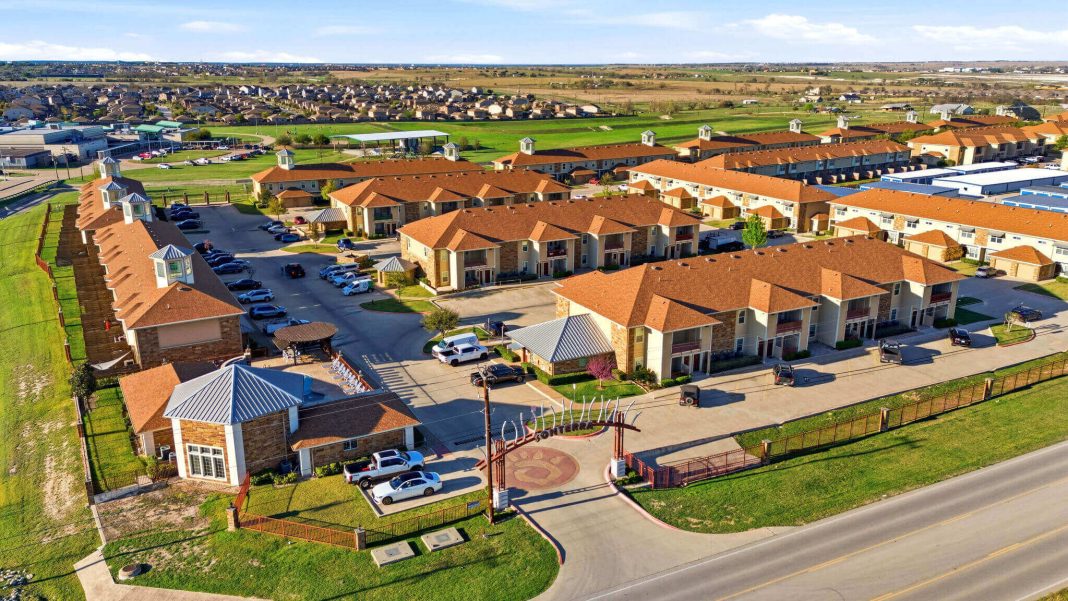
For Sonterra Apartments who launched year, this included choosing a development name, logo, and visual identity that reflect the style and positioning of the project. A modern, eco-friendly development may use clean, minimalist branding, while a luxury scheme might use more elegant and premium visual cues.
Consistent branding should be used across all marketing materials, including brochures, websites, signage, and social media. This creates a cohesive and professional image that resonates with potential buyers.
Creating a Digital-First Marketing Approach
In today’s property market, most buyers begin their search online. This makes digital marketing one of the most important parts of your strategy.
A dedicated development website is essential. It should include high-quality imagery, floor plans, pricing information, and location details. Virtual tours and 3D walkthroughs are also increasingly important, allowing buyers to explore properties remotely.
Search engine optimisation (SEO) helps ensure your development appears in relevant online searches, while paid advertising through platforms like Google and social media can drive targeted traffic.
Social media platforms such as Instagram and Facebook are particularly effective for showcasing lifestyle imagery and generating early interest before launch.
Using Data to Shape Your Strategy
Data-driven decision-making can significantly improve marketing performance. Developers should analyse local market trends, buyer demographics, and competitor activity before launching campaigns.
According to the Office for National Statistics (ONS), UK house prices increased by approximately 1.8% in 2024, although growth varied significantly by region. This highlights the importance of localised strategy rather than a one-size-fits-all approach.
Understanding pricing trends, demand levels, and buyer behaviour in your specific area helps you position your development more effectively.
Launch Strategy and Timing
The timing of your marketing launch can have a major impact on success. Many developers choose to build anticipation before official release through teaser campaigns, waiting lists, and early-bird incentives.
A phased marketing approach often works well. This might begin with initial awareness campaigns, followed by a formal launch event, and then sustained advertising as units sell or let.
Launch events, whether physical or virtual, can generate excitement and give potential buyers a chance to engage directly with the development team or sales agents.
Working with Estate Agents and Partners
Estate agents and property consultants play a key role in marketing new developments. Their local expertise and buyer networks can help generate early interest and secure sales or lettings more quickly.
Developers often work with multiple agencies to maximise exposure. However, clear communication and consistent branding are essential to ensure the messaging remains aligned across all platforms.
Partnerships with mortgage advisors, relocation services, and local businesses can also enhance credibility and expand reach.
Measuring Performance and Adjusting Strategy
A successful marketing strategy is not static. It should be monitored and adjusted based on performance data.
Key metrics include website traffic, enquiry rates, viewing bookings, and conversion rates. If certain channels are underperforming, budgets can be reallocated to more effective platforms.
Feedback from potential buyers can also provide valuable insights into pricing, design preferences, and marketing messaging.
Building Long-Term Value
Effective marketing does not end once the development is fully sold or let. Strong branding and a positive reputation can enhance future projects and increase investor confidence.
In a competitive UK property market, a well-planned marketing strategy can be the difference between slow uptake and a fully sold-out development. By combining audience insight, digital tools, and strong branding, developers can maximise visibility and long-term success.