
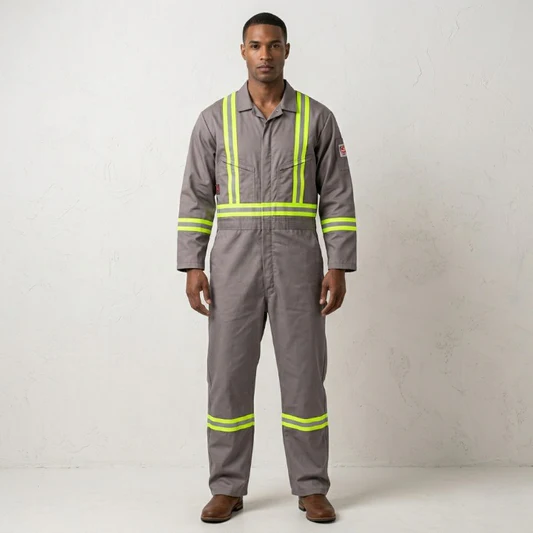

If you work in a fire safety job, the right clothes are flame-resistant (FR) or fire-resistant protective clothing that matches the hazards you may face. This includes FR shirts and pants or coveralls, safety boots, gloves, helmets, eye protection, and other personal protective equipment (PPE) required for your role.
The right clothing helps reduce the risk of burns, protects against heat and flames, and keeps workers safer while performing inspections, maintenance, emergency response, or working in hazardous environments.
Key Takeaways
- Wear flame-resistant clothing and PPE that matches the hazards of your specific fire safety job.
- Choose clothing that meets recognised safety standards and fits properly for the best protection.
- Inspect, clean, and replace protective clothing regularly to maintain its safety performance.
Why Proper Clothing Matters in Fire Safety Jobs
Fire safety professionals often work in environments where they may be exposed to heat, flames, electrical hazards, or hazardous materials. Wearing everyday clothing is not enough when there is a risk of fire or flash fires.

According to the U.S. Bureau of Labor Statistics, employers reported 2.6 million nonfatal workplace injuries and illnesses in private industry in 2025, showing why proper workplace safety measures, including protective clothing, remain essential. In addition, the National Fire Protection Association (NFPA) reports that thousands of firefighters are injured each year while responding to fires and other emergencies, highlighting the importance of using appropriate protective equipment.
The right clothing provides a protective barrier that can reduce injury severity, improve comfort, and help workers perform their jobs with greater confidence.
Flame-Resistant Clothing Is the Foundation
Flame-resistant clothing is designed to resist ignition and reduce the spread of flames. Unlike regular fabrics, FR materials are made to self-extinguish after the ignition source is removed.
Depending on the job, workers may wear flame-resistant shirts, pants, jackets, or full coveralls (Fireball Workwear). The level of protection needed depends on the specific workplace hazards. For example, someone inspecting fire systems in an office building may need different protection than someone working around industrial equipment or electrical systems.
Clothing should always meet the safety standards required by the employer and the work environment.
Essential Protective Equipment
Protective clothing is only one part of staying safe. Fire safety jobs often require additional PPE to protect different parts of the body.
Safety helmets help protect against falling objects and impact injuries. Safety glasses or goggles shield the eyes from flying debris, dust, and chemicals. Heat-resistant gloves protect the hands when handling hot equipment or working near heat sources.
Foot protection is equally important. Safety boots with slip-resistant soles and protective toe caps help reduce the risk of slips, falls, and crush injuries. In some environments, electrical hazard-rated boots may also be required.
Depending on the task, workers may also need hearing protection, respiratory protection, or high-visibility clothing.
Choosing the Right Fit and Material
Protective clothing should fit properly without being too loose or too tight. Loose clothing can become caught on equipment, while clothing that is too tight may restrict movement and reduce comfort during long shifts.
Many modern FR garments are made from lightweight fabrics that improve breathability while maintaining protection. Moisture-wicking materials can also help workers stay cooler during physically demanding tasks.
Comfort should never come at the expense of safety. The best clothing balances protection, durability, and ease of movement.
Keep Protective Clothing in Good Condition
Even the best protective clothing becomes less effective if it is damaged or poorly maintained. Workers should inspect garments before each use, looking for tears, worn areas, contamination, or damaged closures.
Clothing should be cleaned according to the manufacturer’s instructions, as improper washing can reduce its protective performance. Garments that have significant damage or no longer meet safety requirements should be replaced immediately.
Regular inspections help ensure that protective clothing continues to provide the level of protection it was designed to deliver.
Final Thoughts
The right clothes for fire safety jobs are those that provide reliable protection against the hazards workers face every day. Flame-resistant clothing, quality safety boots, helmets, gloves, and eye protection all play an important role in reducing the risk of injury.
Choosing clothing that meets recognised safety standards, fits correctly, and is properly maintained helps create a safer workplace and allows fire safety professionals to focus on their responsibilities with greater confidence.