
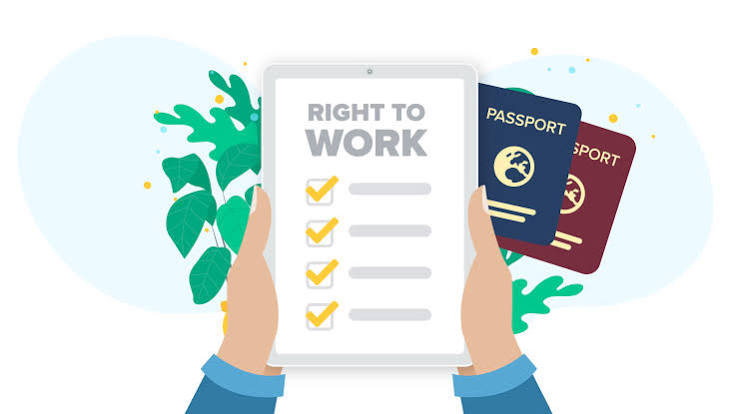

The Recruitment and Employment Confederation (REC) is warning that the government’s expansion of Right to Work compliance obligations from today will leave businesses liable for workers elsewhere in their labour supply chain and make recruitment slower and more risk-averse.
Recruiters already check a worker’s legal Right to Work before sending them out on assignment. But under a major change by the government, liability for failing to do the right checks and therefore hiring illegal workers, will extend to employers using agency workers in more complex supply chains. This will require end hirers, main contractors, labour providers or platforms to put controls in place even if they are not the worker’s direct employer. This may see end clients having to put in identity verification processes, even if that check has already been done.
Lorraine Laryea, Chief Standards Officer at the REC, said “It is a pity to see another major burden on organisations at an already tough time for trading for businesses. We fully support a tighter grip on illegal working and fully understand the government’s motivation to improve regulation in other working models which did create exposure to illegal working. But our concern is that the plans cast the net far wider than necessary when so much of the labour market is already heavily regulated. It may come across as unfair to businesses that they will be responsible for workers they do not employ, however well-intentioned the policy. Extending liability in this way risks creating more red tape, slower recruitment and fewer opportunities for jobseekers.”

Although the government expects employers to recruit fairly, heavy sanctions may encourage a more cautious approach. Faced with significant penalties, some firms could favour applicants with straightforward documentation over equally qualified candidates whose status requires additional checks. As a result, employers may overlook the best candidate for the role, leading to poorer hiring decisions.
Lorraine Laryea added “We are keen to work with the government and continue the dialogue to ensure the new rules on Right to Work checks are fair and balanced, and do not add administrative burdens to businesses and organisations that were not the intended target of these changes.”
Unclear employment arrangements will not necessarily shield businesses from enforcement action. If the Home Office cannot determine who is responsible, it may scrutinise the contractual chain and pursue penalties against organisations further up the supply chain.