
New analysis from people data business Brightmine has shown that changes to Statutory Sick Pay (SSP), coming into force are expected to increase costs, administrative burden, and short-term absence levels across UK organisations.
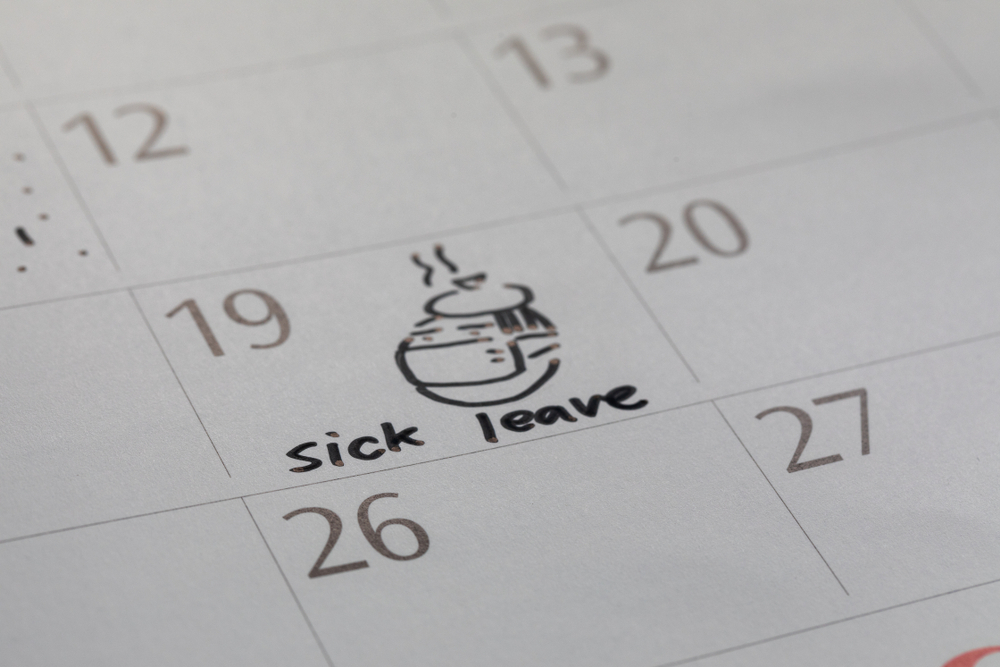
From 6 April, SSP will be payable to all workers from the first day of absence, removing the three-day waiting period. This marks a significant shift in how sickness absence is experienced by both employees and employers, with immediate implications for cost, behaviour and absence management.
“Moving to day-one Statutory Sick Pay fundamentally changes the dynamics of short-term absence,” said Sheila Attwood, Senior Content Manager at Brightmine. “Our data suggests employers are less concerned about the principle of the reform than their ability to manage it consistently in practice, particularly when line managers lack confidence in how the rules work. That’s where cost pressures, misuse concerns and operational strain are most likely to surface in the short term.”
Employers anticipate a sharp operational impact. More than half (54.7 per cent) expect overall sickness and absence costs to rise, while around half also expect increased HR workload (51.3 per cent) and greater line manager time spent managing absence (48.7 per cent).
The data suggests SSP reform will lead to a noticeable increase in short-term absence, with 46.2 per cent of organisations expecting more frequent absences and 43.6 per cent anticipating longer durations. Over a third (37.6 per cent) also expect an increase in misuse of sick pay, highlighting employer concerns around policy abuse and monitoring.
Key findings snapshot:
• 54.7 per cent of organisations expect sickness and absence costs to increase
• 51.3 per cent anticipate increased HR workload related to absence management
• 48.7 per cent expect more line manager time to be spent managing absence
• 46.2 per cent expect short-term absence frequency to increase
• 43.6 per cent expect short-term absence duration to increase
• 37.6 per cent expect increased misuse of sick pay
Despite these pressures, the reforms are also expected to bring some benefits. A minority of employers expect reductions in presenteeism (15.4 per cent), and workplace illness spread (16.2 per cent), suggesting fewer employees attending work while unwell. However, most organisations do not expect a meaningful improvement in employee morale or job satisfaction, with 86.3 per cent predicting no change.
Confidence data highlights a clear gap in policy understanding. Nearly half (46.3 per cent) of organisations rank line managers as least confident in understanding SSP reforms and occupational sick pay rules, compared with much higher confidence in practical absence management activities such as conducting return-to-work interviews (ranked most confident by 43.8 per cent) and applying absence policies consistently (33.1 per cent).
Attwood concluded: “Line managers will be central to how successfully organisations adapt to day-one Statutory Sick Pay changes. While many are confident handling day-to-day absence conversations, our data shows there’s less certainty when it comes to understanding the reforms themselves. Bridging that gap will be critical to ensuring policies are applied consistently and that absence is managed fairly and effectively.”