
Gi Group UK’s latest candidate survey has found one in four workers say they’ve experienced discrimination or microaggressions related to diversity, background or identity at work. A fifth of people have also declared they feel a bias around physical or mental health. According to Gi Group the survey has served as a reminder that while Diversity, Equity and Inclusion (DEI) initiatives have gained visibility, the road to fully inclusive workplaces is still under construction and often under legal scrutiny.
The rising number of employment tribunals related to DEI in the UK, particularly around neurodiversity, signals that there is still much work to be done by HR teams and leaders up and down the country when it comes to diversity, equity and inclusion. While some organisations are leading the way with approaches which work on both a practical and human level, others are ‘burying their heads in the sand’ and not addressing the issue.
According to Government data, in 2024/25, the Employment Tribunal received 42,000 single claims. In Q4 2024/25, unfair dismissal (23 per cent, up 3 percentage points compared to the same period last year) topped the list, with disability discrimination (11 per cent) fourth. Employees are increasingly challenging workplaces that fail to accommodate invisible conditions and workplace cultures that are struggling to catch up with modern expectations of inclusion.
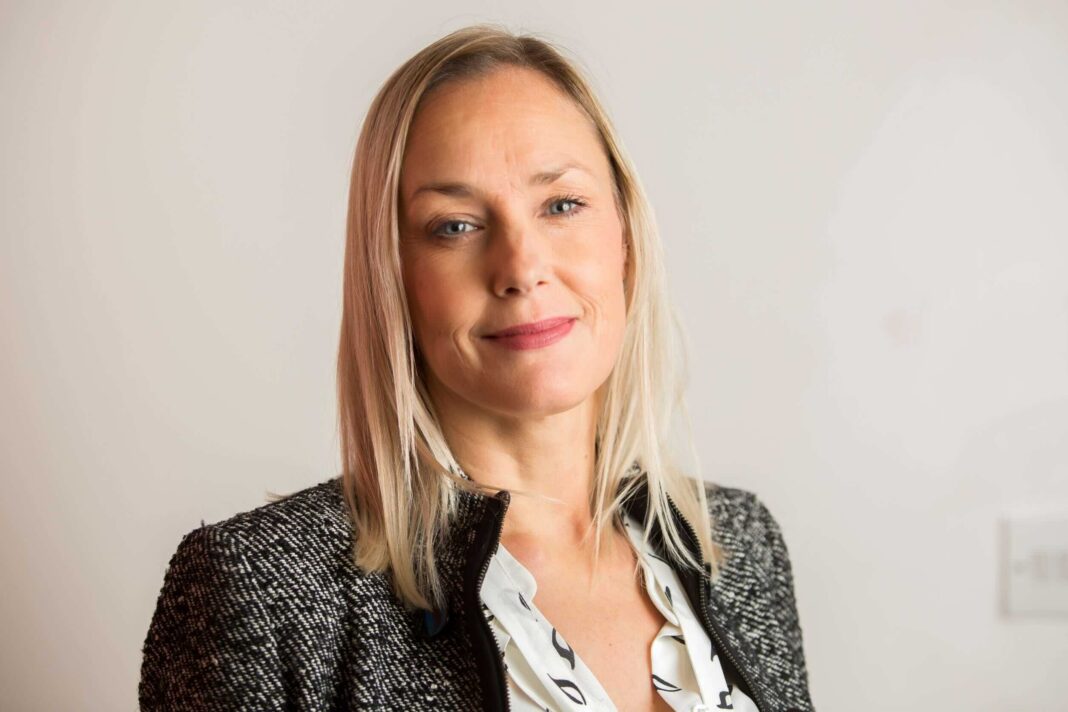
Over the last two decades, the HR function has undergone a dramatic evolution across all sectors and geographies. “HR used to be transactional, handling contracts and leavers for example, but now it’s a strategic voice in the C-suite,” says Cindy Gunn, Group Head of People at Gi Group UK. “A big part of a HR’s role is raising awareness of DEI. This has meant building knowledge through education and policy. Unconscious, and sometimes conscious, bias persists which must always be challenged and workplaces must always look at how they best manage the situation. Sometimes, tribunals could be prevented with better understanding and more thoughtful adjustments.”
Emma-Louise Taylor, Group Head of Learning & Development at Gi Group, agrees that this is more a cultural issue rather than a policy issue. “People don’t want to hide who they are anymore. The scope is broader than race or gender, it’s about things you might not see, like neurodiversity or menopause,” she says. “The companies keeping up are the ones listening, opening space for real conversation and changing how they support people.”
Emma-Louise is clear that inclusion cannot be performative, it must be baked into culture, with leaders modelling inclusive behaviours and being held accountable.
That’s where many workplaces fall short according to Cindy. “Reasonable adjustments are sometimes treated as inconveniences rather than opportunities to empower talent. Too often, there’s a rush to say ‘it’s not possible here’ without fully exploring how accommodations could work or even what alternatives might exist.
“The mindset remains limited, particularly when DEI is viewed as a compliance issue rather than a catalyst for business and human success,” added Cindy.
According to the latest Gi Group UK candidate survey, 15.63 per cent of respondents believe bias significantly influences hiring and career opportunities in their workplace. Add to that the 11.65 per cent who report discrimination linked to disability and 20.40 per cent citing bias around physical or mental health, and it’s clear that trust within workplaces to handle diverse situations and conditions is still a work in progress.
“Support has to exist even when someone isn’t ready to disclose,” says Emma-Louise. “It’s not about special treatment, it’s about recognising different needs.”
The companies that do this well embed inclusion into their operations. That includes bias-free hiring, accessible communication, DEI-informed metrics, and bite-sized training that’s easy to apply. HR should also tap into employee resource groups, pilot initiatives and maintain feedback loops to ensure inclusion efforts are both scalable and authentic. As Cindy puts it, “Policies must evolve to support a workplace where everyone can thrive.”
With life transitions like menopause gaining more visibility yet still subject to stigma, DEI has moved well beyond surface representation. It’s become a measure of cultural maturity and leadership integrity. Employees want to feel seen and supported across all phases of life and work rather than well-meaning mission statements.